Source Baby Carrier for Front, Back, and Hip Carrying
Explore 30 verified baby carrier options suitable for newborns and toddlers. Buyers can compare materials like cotton and polyester, weight capacities, and folding features to find the right carrier for front, back, or hip carrying; compare the available evidence and request quotations based on your requirements.
Key considerations
Products List
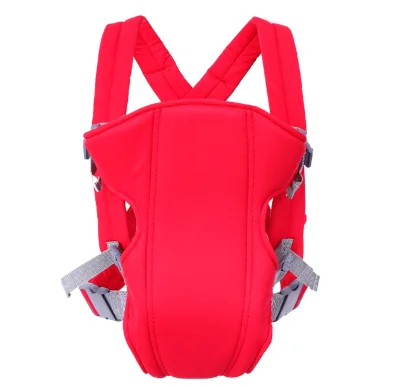
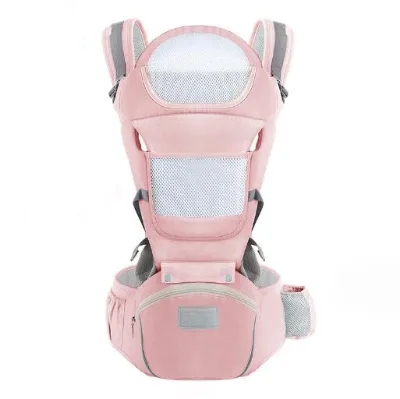
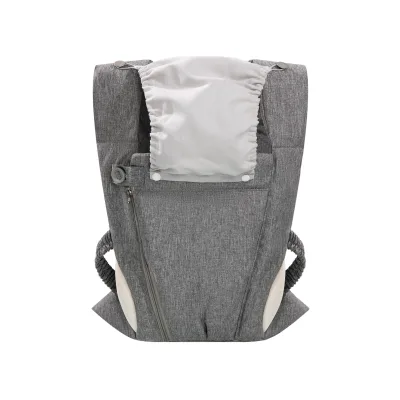
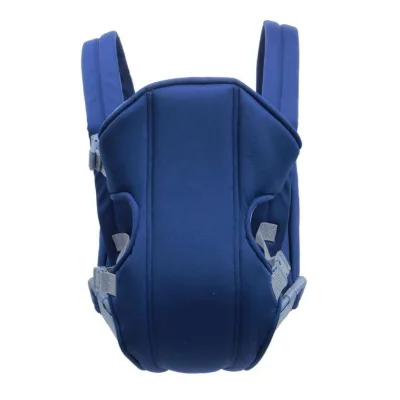


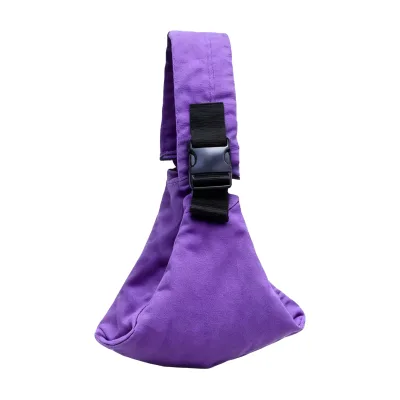
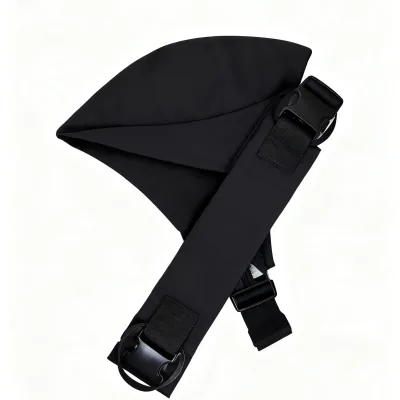
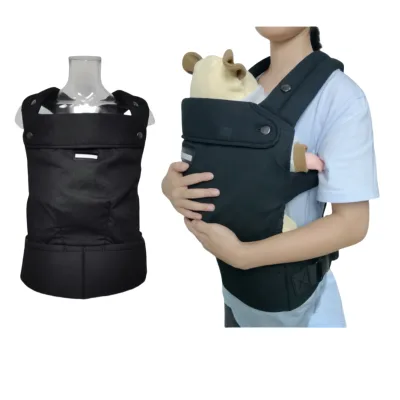
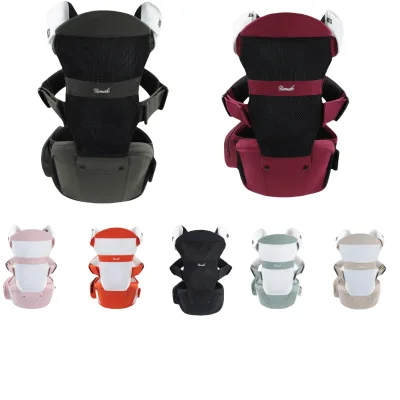
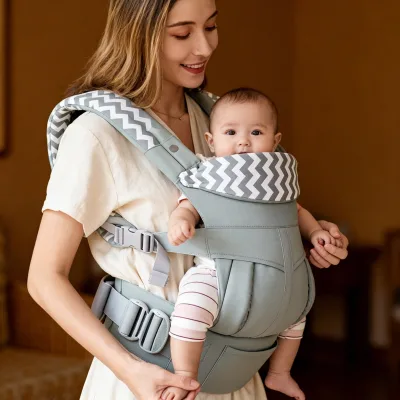
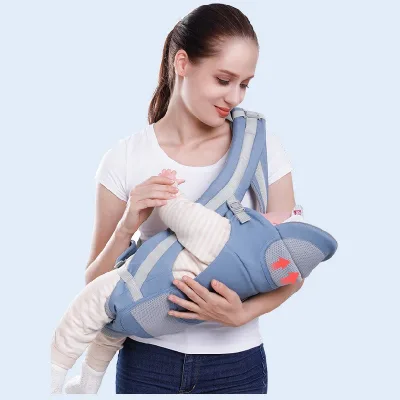


Comprehensive Sourcing Guide
Baby Carrier Sourcing Guide
The global market for infant transport solutions presents a diverse array of options, ranging from structured carriers designed for newborns to breathable models suitable for toddlers. Current listings indicate a functional spectrum that includes front and back carry configurations, with specific models engineered for age groups spanning from birth up to 36 months. Buyers must distinguish between products marketed for specific developmental stages, such as those targeting the 0-6 month window versus those accommodating older infants, to ensure the selected item matches the intended usage profile.
Material composition and construction methods vary significantly across available inventory, with cotton and polyester blends being prominent choices for comfort and durability. Some listings highlight specific fabric types like 100% cotton or synthetic blends, while others reference frame materials or structural connectors that define the carrier's rigidity and load-bearing capacity. Procurement teams should prioritize verifying these material attributes against safety requirements, as the choice of fabric directly impacts breathability, weight distribution, and the overall longevity of the product in daily use.
Product Scope and Observed Listing Signals
Market observations reveal a price range between 1.86 and 25.78 USD, reflecting the wide variance in material quality, brand positioning, and manufacturing complexity. The minimum order quantities observed span from a single unit to 1,000 pieces, offering flexibility for both small-scale retailers and large distributors. Buyers should note that the selling units are typically listed as single items, yet packaging details often specify bulk carton configurations, requiring careful calculation of total landed costs including shipping and handling fees.
Color availability is extensive, with listings offering options such as black, gray, pink, light green, blue, red, and yellow, allowing for broad market appeal. Functional attributes frequently cited include foldability and specific carrying styles like the five-point type, which suggests a focus on ergonomic design and ease of storage. However, the presence of generic brand names like HQ/OEMODM alongside specific model numbers indicates a mixed market of private label opportunities and established product lines, necessitating clear communication regarding branding expectations.
Technical Specifications to Verify
Buyers must rigorously verify physical dimensions and weight specifications, as observed data shows single package sizes ranging from 25x25x15 cm to 33x50 cm, with individual unit weights varying from 0.5 kg to 2.0 kg. These metrics are critical for logistics planning and determining the most efficient shipping method, particularly when calculating volumetric weight for air freight. The model numbers provided, such as DP2023005 and IVYL451, serve as unique identifiers that should be cross-referenced with physical samples to ensure the delivered goods match the technical description exactly.
Load-bearing capacity and structural integrity are paramount, with some listings explicitly stating a maximum load of 20 kg, while others reference general connectors or specific frame materials. The age group specification, often listed as 0-36 months or 0-6 months, must align with the actual weight limits and harness design of the carrier. Procurement teams should request detailed diagrams or videos demonstrating the seat connector and binding mechanisms to confirm that the five-point type or other safety features are robust enough to support the intended user weight safely.
Compliance and Safety Documentation
Safety compliance is a non-negotiable aspect of sourcing baby carriers, yet the provided data contains conflicting or incomplete certification information, such as references to ISO standards mixed with material specifications like HDPE. Buyers should not assume that any listed product automatically meets international safety standards without requesting valid, up-to-date test reports from independent laboratories. The presence of generic standard references like ASTM F2236 in background data suggests industry relevance, but these must be explicitly confirmed for each specific model before any commercial transaction is finalized.
Documentation regarding material safety and chemical compliance is equally critical, especially given the direct skin contact involved with infant products. While some listings mention 100% cotton or polyester blends, the absence of specific chemical test results for dyes and finishes requires immediate clarification from the supplier. Procurement teams must insist on a Certificate of Analysis or a test report confirming that the materials used are free from harmful substances, ensuring that the product adheres to the safety regulations of the target export markets such as the EU, USA, or Australia.
Cost Drivers and Commercial Terms
The final cost of a baby carrier is influenced by multiple factors, including the complexity of the design, the quality of the raw materials, and the customization requirements such as custom logos or specific packaging. Payment terms observed in the market include TT, L/C at sight, Western Union, and PayPal, each carrying different levels of risk and cash flow implications for the buyer. Understanding these terms is essential for negotiating favorable conditions that protect the buyer's financial interests while maintaining a positive relationship with the supplier.
Shipping logistics and port selection also play a significant role in the total cost structure, with major ports like Shanghai and Ningbo being common departure points for goods originating from Guangdong and Zhejiang provinces. The single gross weight and package dimensions directly impact freight charges, and buyers should calculate the cost per unit including these logistics variables to determine the true profitability of the product. Additionally, the MOQ flexibility observed in the market allows for strategic ordering, but buyers must balance inventory costs against the potential for price reductions associated with larger volume orders.
Supplier Qualification and Quality Control
Supplier qualification requires a thorough vetting process that goes beyond the basic information provided in product listings, such as place of origin or brand name. Buyers should verify the manufacturing capabilities of suppliers located in regions like Jinhua, Zhejiang, or Guangdong, China, by requesting factory audits or video tours to assess production capacity and quality control infrastructure. The ability to accept customized logos and packaging details indicates a supplier's flexibility, but this capability must be backed by a proven track record of maintaining consistent quality across different production runs.
Quality control protocols must be established early in the sourcing process to prevent defects related to stitching, material integrity, or hardware failure. Given the variation in observed materials from cotton to polyester blends, buyers should define clear acceptance criteria for fabric strength and colorfastness before production begins. Implementing a pre-shipment inspection plan is crucial, as it allows for the identification of any deviations from the agreed-upon specifications, ensuring that the final products meet the safety and performance expectations of the end consumer.
Long-Term Procurement Checks
Establishing a long-term procurement strategy involves regular performance reviews of suppliers to ensure they continue to meet quality and delivery standards over time. Buyers should monitor the consistency of product attributes, such as the specific model numbers and material compositions, to prevent unauthorized substitutions that could compromise product safety or brand reputation. Maintaining open communication channels regarding any changes in production processes or material sourcing is essential for mitigating risks associated with supply chain disruptions.
Continuous market monitoring is also necessary to stay informed about evolving safety regulations and consumer preferences in the baby carrier sector. As the market expands to include new features or designs, buyers must remain agile and willing to adapt their product portfolios to meet changing demands. By fostering strong relationships with reliable suppliers and maintaining rigorous quality control standards, buyers can ensure a steady supply of high-quality baby carriers that satisfy both regulatory requirements and customer expectations.
FAQs
What materials are used for these baby carriers?
The carriers are made from cotton, polyester, or a blend of both materials. Some specific models feature 100% cotton for breathability, while others use polyester combined with cotton for durability. The frame material is listed as other in certain listings, ensuring varied options for different needs.
Which age groups can use these baby carriers?
These carriers are designed for babies ranging from newborns up to 36 months old. Specific models target the 0-6 month age group, while others accommodate toddlers. The usage is explicitly stated for children within this broad developmental range to ensure safety and comfort.
Can I customize the logo on the baby carrier?
Yes, customization is available for logos on these products. Suppliers accept customized branding requests, allowing buyers to add their own designs. This service supports OEM and ODM needs, making it suitable for businesses looking to brand their own line of baby carriers effectively.
What is the minimum order quantity for these carriers?
The minimum order quantity ranges from 1 to 1000 units depending on the specific supplier and model. Some sellers offer single items as selling units, while others may require larger bulk orders. Buyers should check individual listings to confirm the exact MOQ for their desired product.
How much weight can the baby carrier support?
The load bearing capacity for some models is up to 20 kilograms. This ensures the carrier can safely support infants and toddlers within the specified age range. Buyers should verify the specific weight limit for each model to ensure it meets their safety requirements before purchasing.
Where are these baby carriers manufactured?
These products originate from manufacturing locations in Guangdong and Zhejiang, China. Specific cities mentioned include Jinhua in Zhejiang. The goods are typically shipped from major ports like Shanghai or Ningbo, facilitating international logistics for buyers in various global markets.